
 Facebook
 YouTube
 Twitter
How much money does the average person have in the bank? Verifique isto – How much money is usually in a bank
Banks tend to keep only enough cash in the vault to meet their anticipated transaction needs. Very small banks may only keep $50,000 or less on hand, while larger banks might keep as much as $200,000 or more available for transactions. This surprises many people who assume bank vaults are always full of cash.This is an acronym for Certificate of Interbank Deposit, a rate used by banks for short-term loan operations between themselves.
Interest rate spread is the interest rate charged by banks on loans to private sector customers minus the interest rate paid by commercial or similar banks for demand, time, or savings deposits.
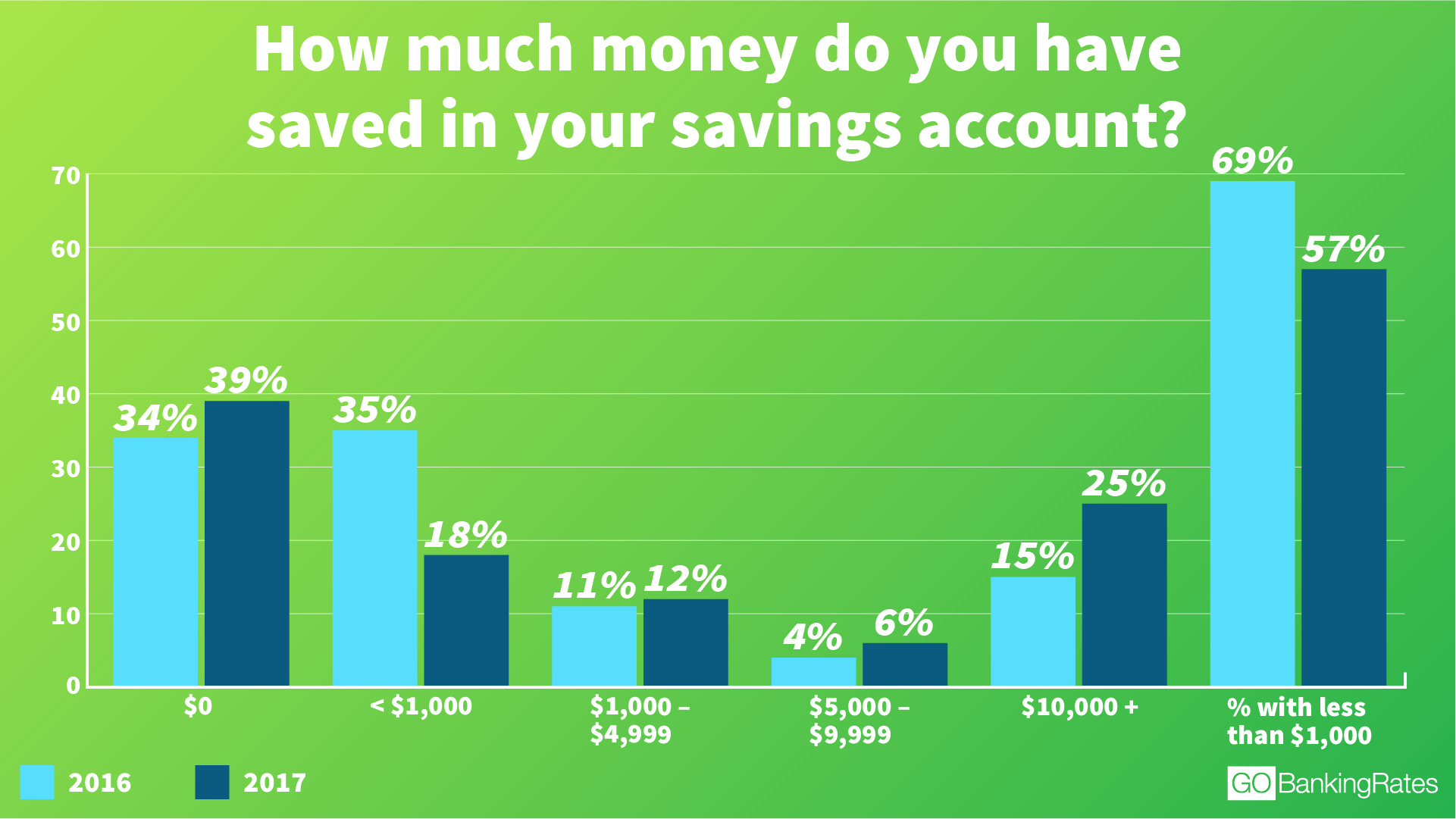
Is 10K a Good Amount of Savings Yes, 10K is a good amount of savings to have. The majority of Americans have significantly less than this in savings, so if you have managed to achieve this, it is a big accomplishment.
Is it good to have 10000 in the bank
Comparable to the statistical averages and majority of Americans, having $10,000 in savings is good and a great accomplishment. The earlier you reach this goal, the better it will be for your future financial goals and family, should you decide to start one.What Are Core Deposits Core deposits refer to deposits that form a stable source of funds for lending banks. Such deposits may be varied in nature, and can encompass small-denomination time deposits, payment accounts, as well as checking accounts.CV Bank is a free and open source websites application system that designed and developed specifically for universities to help them to build their own Curriculum vitae (CV) repository for their graduate students.
Last updated: October 20, 2022. A Bank Teller, or Bank Clerk, is a bank employee who helps clients of the bank with routine financial transactions. Their day-to-day duties include making deposits, handling withdrawals and issuing money orders or cashier's checks to bank customers. Build a Job Description.
How do banks make money
They make money from what they call the spread, or the difference between the interest rate they pay for deposits and the interest rate they receive on the loans they make. They earn interest on the securities they hold.Having $20,000 in a savings account is a good starting point if you want to create a sizable emergency fund. When the occasional rainy day comes along, you'll be financially prepared for it. Of course, $20,000 may only go so far if you find yourself in an extreme situation.In the long run, your cash loses its value and purchasing power. Another red flag that you have too much cash in your savings account is if you exceed the $250,000 limit set by the Federal Deposit Insurance Corporation (FDIC) — obviously not a concern for the average saver.
In fact, a good 51% of Americans say $100,000 is the savings amount needed to be financially healthy, according to the 2022 Personal Capital Wealth and Wellness Index. But that's a lot of money to keep locked away in savings.
10 strategies for driving bank deposits
- Analyze your best customers.
- Raise your deposit rate.
- Invest in your community.
- Make sure your local SEO is up-to-date.
- Use online advertising.
- Make sure your website is responsive.
- Tie in other services.
- Partner with reputable businesses.
1. : a savings bank setting no minimum limit on a deposit. : a small, often slotted, box or safe designed to receive deposits of pennies.
What is a PCA banking
PCA is a mechanism that will be forced by the RBI upon banks that show signs of stress on any of the standard stress parameters. The total stressed assets of the Indian banking system today, including NPAs and Restructured Assets are estimated to be in the range of $160-$170 billion.Investment Banking Division (IBD) is a particular investment bank division that provides corporate finance and advisory services. It is responsible for capital raising by the underwriter.Bank tellers
Bank tellers are typically entry-level positions at banks that directly interact with and service customers. Most employers require at least a high school diploma, but advancement will often require a bachelors degree.